After the Lifts Slow Down: Auditing the Overnight Economy of Britain's Residential Towers

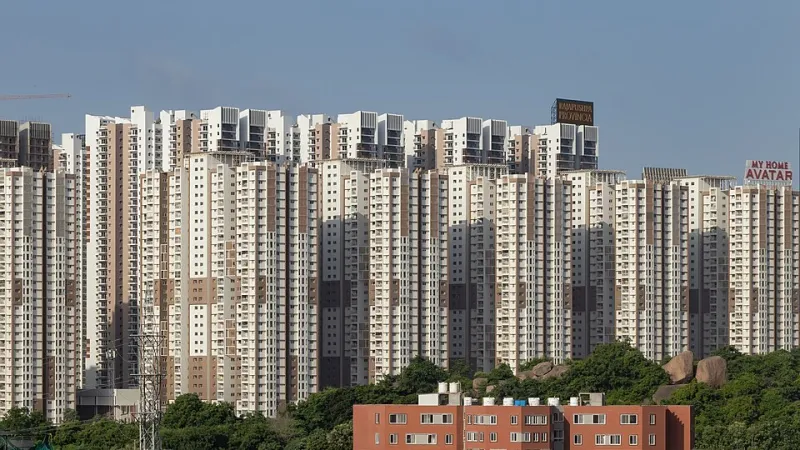
The tower at 11pm looks, from the street, like a diagram of itself. A few lit windows. A darkened crown. Perhaps the red aviation beacon pulsing above a neighbourhood that has otherwise gone quiet. Yet for the building managers who run Britain's residential high-rises, the hours between the last evening commute and the first morning bin run are among the most operationally demanding of the day.
What follows is an audit of that hidden shift — the overnight economy of the British tower, floor by floor and plant room by plant room.
The Transfer Floor Comes Alive
Every substantial residential tower has a refuse strategy, and almost all of them are nocturnal. The standard model across new builds in Manchester, Salford Quays and the Isle of Dogs relies on chute systems discharging into large containers on a dedicated transfer floor — often a level residents never visit, tucked behind a service lift lobby.
From roughly ten o'clock onwards, the overnight facilities team begins the compaction cycle. Chutes are closed section by section, containers are wheeled to the loading bay, and the building's daily output — by some managers' estimates, upwards of a tonne of waste in a 40-storey block — begins its descent to street level. It is unglamorous, carefully scheduled work, and it is precisely why the service lift in most towers is the hardest-working machine in the building.
Fire safety checks thread through this routine. Overnight teams verify chute doors latch correctly, inspect riser cupboards and log any items left in corridors — the communal clutter that both blocks management and fire risk assessments consistently flag.
The Hum at 3am
Ask any resident of a newly completed tower what they hear at night and the answer is rarely traffic. It is the plant.
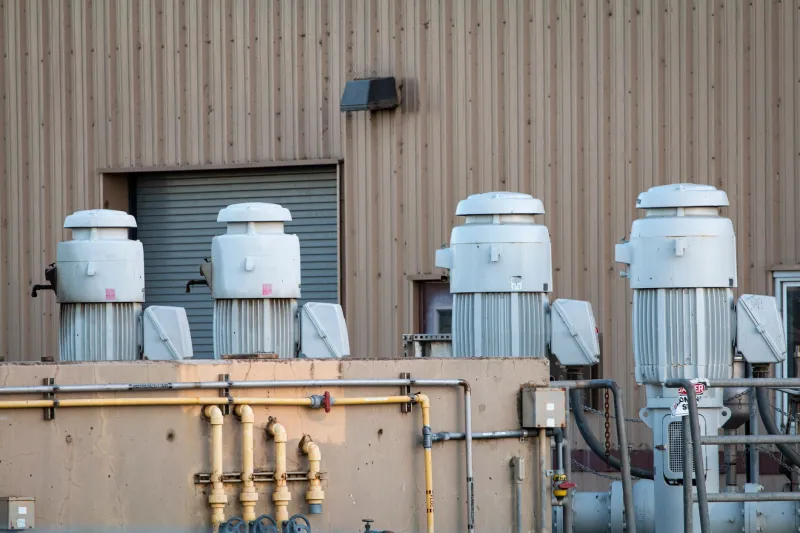
Air handling units, heat exchange systems serving the communal heating network, booster pumps maintaining water pressure on the upper floors, and the ventilation serving the podium car park together form a constant, low-frequency chorus. Modern plant is specified with acoustic attenuation at planning stage — the noise assessments demanded by local authorities in Westminster, Tower Hamlets and city-centre Sheffield have grown notably stricter — but some residual sound is inevitable, and it travels through structure rather than air.
Overnight is when this machinery does its quietest, most essential work. District heating loops cycle to hold temperatures. Energy management systems shed load where tariffs allow, pre-cooling corridors before the morning spike. In towers with rooftop amenity spaces, irrigation systems and lighting controls run on schedules invisible by day.
Concierge After Dark
The overnight concierge desk bears little resemblance to its daytime counterpart. Package volumes fall away; security and welfare rise. Night staff manage access for emergency callouts, monitor CCTV across podia and car parks, and — increasingly — act as first responders to everything from leaking appliances to residents in distress.
Management companies report that a disproportionate share of genuinely serious incidents in residential towers occur between midnight and 5am. The lone night concierge, often supported by mobile patrols covering several buildings, is the thin layer between a well-run block and a chaotic one. It is, arguably, the least visible and most underrated job on the skyline.
What the Data Shows
For the property watcher, the overnight audit offers a useful post-completion test. A tower's night-time behaviour reveals the quality of its specification in a way no marketing brochure can: whether plant was adequately acoustically isolated, whether refuse volumes were honestly modelled at design stage, whether the concierge provision was value-engineered down to a single under-resourced desk.
Buyers inspecting a new-build tower would do well to arrange a late viewing, or at least ask the managing agent one direct question: who is in this building at 3am, and what are they doing? The answer tells you more about the development's long-term prospects than any render of the lobby.
Britain's towers do not sleep. They simply change shifts — and the developments that respect that second shift are the ones still performing well a decade after the cranes leave.