Altitude Adjustment: The Unvarnished Routine of Tower Living from Manchester to the Isle of Dogs
Photo: David Martin , CC BY-SA 2.0, via Wikimedia Commons
The render never shows the wind. It shows a couple with a flat white on a planted balcony, twenty storeys above a glittering city. What it does not show is February, and what February does to a balcony on the exposed southern face of a tower with nothing between it and the Pennines.
Skyscraper News spent three months speaking with residents across Britain's newest generation of residential towers — from the clusters of Salford and the Isle of Dogs to Leeds' rising South Bank — to separate the brochure from the boiler. The picture that emerges is neither the dystopia nor the paradise promised by rival camps in the high-rise debate. It is something more specific, and more useful for anyone weighing a purchase or a planning objection.
The Wind Tax
Every tall building displaces air, and every resident of one learns the local consequences. In Manchester's Greengate district, where the tower cluster funnels westerlies off the Irwell, occupants describe balcony doors that cannot be held open above the twentieth floor on gusty days. "You plan around it," says one resident of a 34-storey block. "Laundry stays inside from October to March. The balcony is a fair-weather room."
Developers have responded, unevenly. Wind microclimate studies are now standard at planning stage, and the best schemes — those with stepped massing, canopies and sheltered podium gardens — demonstrably tame the problem. The worst simply pass it down: several London residents reported street-level downdraughts severe enough that passers-by take the long way round the building. The lesson for planners is that wind does not respect plot boundaries; it is a neighbour, and should be consulted like one.
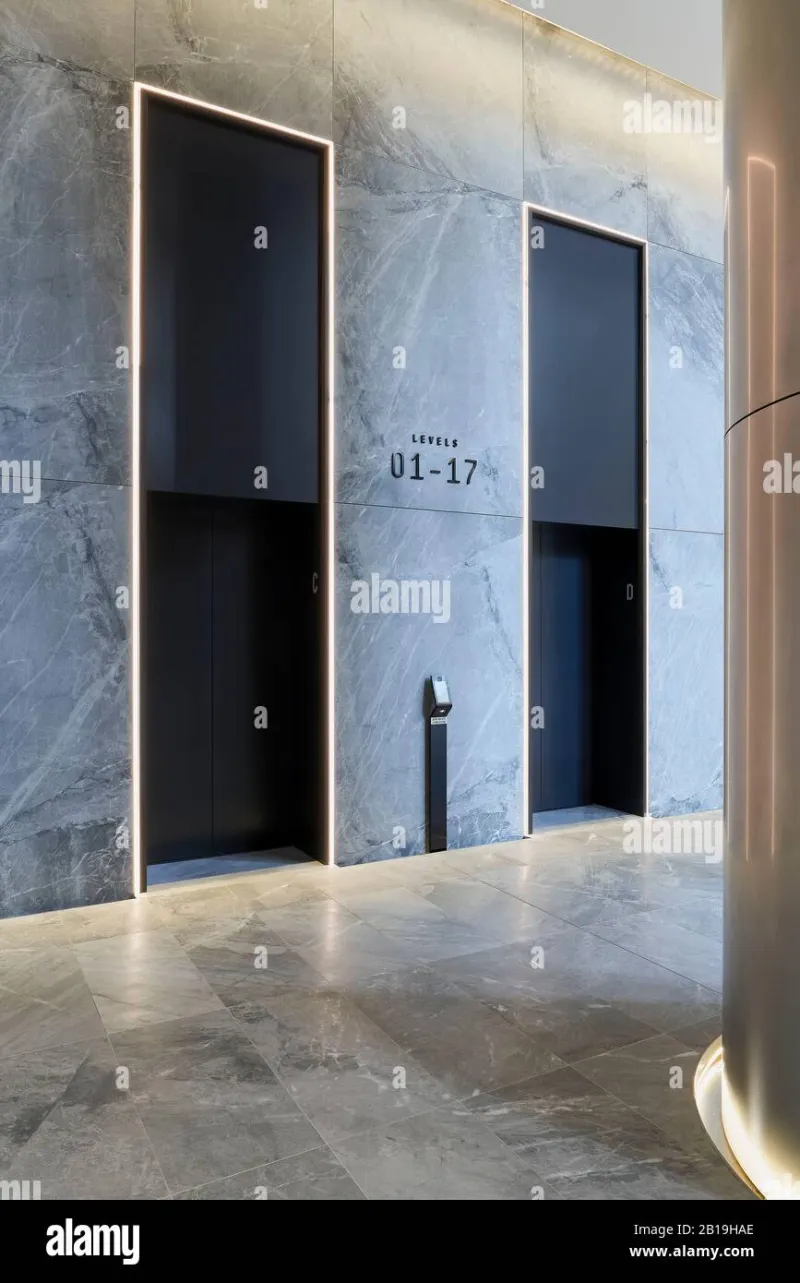
Life With Two Lifts
The second recurring theme is dependency. A tower is, structurally, a promise that its vertical transport will never fail. When it does, the marketing gloss evaporates fast. A Leeds resident on the twenty-sixth floor of a Deansway-adjacent tower described a four-day lift outage as "the moment I understood what I'd bought". Ground-floor amenities and a well-run concierge softened the blow; in blocks without either, residents spoke of a creeping dread every time a lift makes an unusual noise.
The number of cores matters more than any brochure suggests. Towers with three or more lifts per core absorb maintenance downtime without drama. Schemes value-engineered down to two lifts for two hundred homes convert every service visit into a building-wide inconvenience. Our earlier analysis of lift strategy holds: this is the infrastructure that decides whether a tower functions, and buyers should interrogate it as fiercely as they would a survey.
Community at Altitude
The most contested question — whether towers erode neighbourliness — produced the most nuanced answers. Vertical living stratifies contact. Residents of Manchester's Deansgate Square towers described knowing only their floor and their lift lobby; the shared amenity floor, where it existed and was genuinely used, was where acquaintance happened. A rooftop residents' lounge with a rota of events generated more cross-floor connection than any amount of corridor geometry.
In London's Canary Wharf residential towers, meanwhile, several long-term occupants described a quiet, transactional contentment: concierges who know your name, a WhatsApp group for the bin store, a dog-walking circle that meets at the podium garden. Community does not vanish at altitude — it migrates to the spaces designed to hold it, or it fails to form where no such spaces exist.
The Verdict for Buyers and Planners
Three practical conclusions emerge. First, level matters more than tower: the lower third of most residential high-rises combines views with usable balconies and walkable resilience when lifts fail. Second, amenity space is not a luxury line item but the social load-bearing structure of the building — scrutinise it. Third, for planners, the lived experience data argues for conditions, not just consents: wind mitigation, lift maintenance obligations and genuine community space should be secured, because the residents who inherit the building cannot renegotiate them.
Britain's residential towers are no longer an experiment. They are where hundreds of thousands of people dry their washing, wait for lifts and learn their neighbours' names. The gloss sells the view. The lived reality is made of details — and the schemes that respect those details are quietly outperforming the ones that don't.