When the Committee Says No: Dispatches From Britain's Tallest Planning Wars

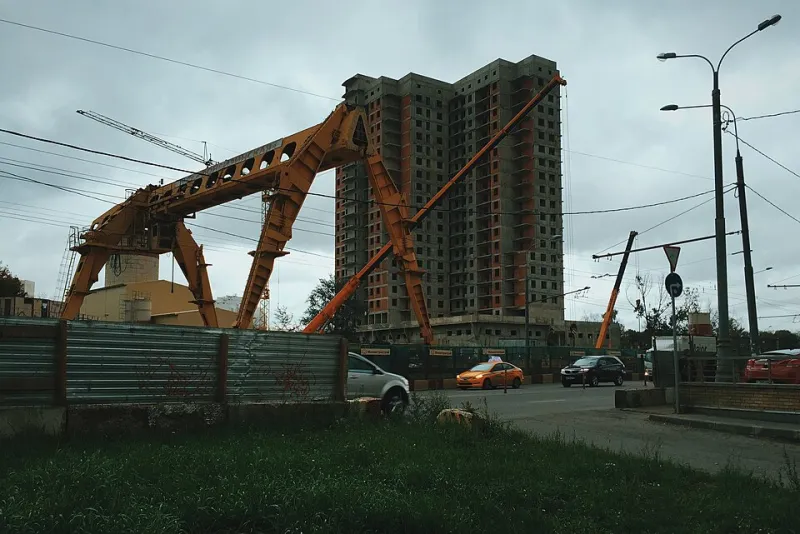
Photo: Planning Commission, GODL-India, via Wikimedia Commons
There is a peculiar theatre to a tall building inquiry. The barristers are briefed, the townscape experts are wheeled in with their photomontages, and somewhere in the public gallery sit the residents who will live with the outcome long after everyone else has invoiced and moved on. Having sat through more of these than I care to count, I have reached a conclusion that will not endear me to either camp: Britain does not have a tall buildings problem. It has a tall buildings process problem.
The Cases That Defined the Decade
Consider the roll call. Edinburgh's St James Quarter endured years of argument over whether any significant verticality belonged in a UNESCO-buffered city at all — a debate that was never really about architecture and always about identity. In Chelsea, the shadow studies ran to hundreds of pages; daylight, sunlight and the rights of garden-sharers became the fulcrum on which the entire scheme turned. In London's historic core, protected sightlines to St Paul's have quietly killed or truncated more towers than any conservation officer could manage alone.
Each case is fought, on the surface, over matters of technical merit: townscape impact, heritage harm, overlooking, transport capacity. But the pattern underneath is consistent. Where a scheme aligns with an adopted tall buildings strategy — as much of Manchester's and Birmingham's recent growth has — it sails through with a speed that would astonish observers in Edinburgh or south-west London. Where no such strategy exists, every application becomes a referendum on whether the place wants to change.
That, surely, is the fault line. We have asked the planning system to make decisions case by case that it was never given the political mandate to make city-wide.
Who Wins, Who Loses
The winners in the current arrangement are, unglamorously, the well-resourced. A housebuilder with a land bank can absorb a two-year appeal; a small regeneration scheme cannot. The losers are the places in between — towns that neither protect their skylines deliberately nor grow them deliberately, and end up with neither good conservation nor good development.
Residents, too, are frequently told they have won when a tower is refused, only to watch a worse scheme — cheaper, taller, with less affordable housing — arrive via appeal three years later. Refusal without strategy is not victory; it is deferral.
The Appeal Is the Plan Now
Here is the uncomfortable truth: the planning appeal has become Britain's de facto tall buildings policy. Developers design for the appeal, not the committee, knowing that the Inspectorate applies policy more consistently than many local authorities. That consistency is a virtue, but it is a strange way to run a planning system — the most important conversations about a city's future happening in a hearing room, years after the drawings were fixed.
What would be better? Adopted tall buildings strategies with genuine spatial honesty — maps that say yes here and no there, and mean it. Design codes that settle matters of height and materiality in advance so committees can argue about the things that actually deserve argument: homes, public realm, who the city is for. And a cultural acceptance, on all sides, that a skyline is a shared inheritance which can be edited without either vandalising it or embalming it.
Until then, the forty-storey application will remain what it has become: not a proposal to be assessed, but a test to be survived. And Britain will keep building its tallest buildings not where they are wanted, but where they are merely defensible.