Behind the Riser Doors: The Invisible Anatomy Keeping Britain's Towers Standing
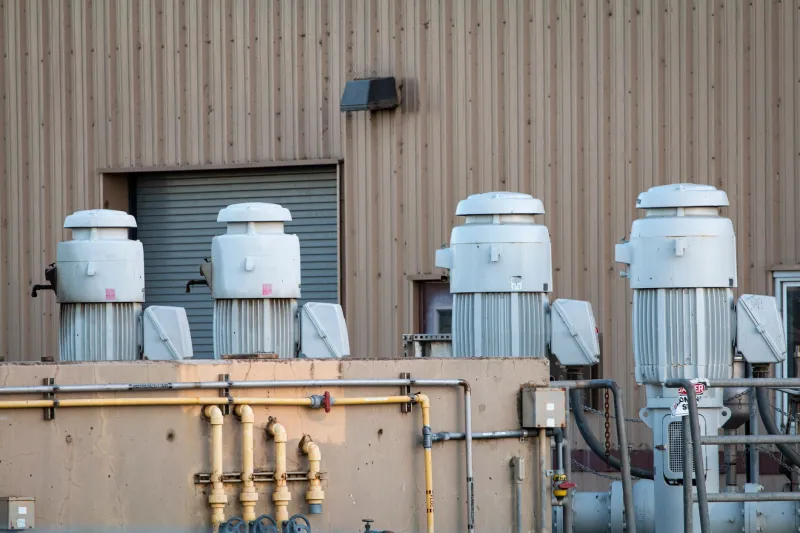
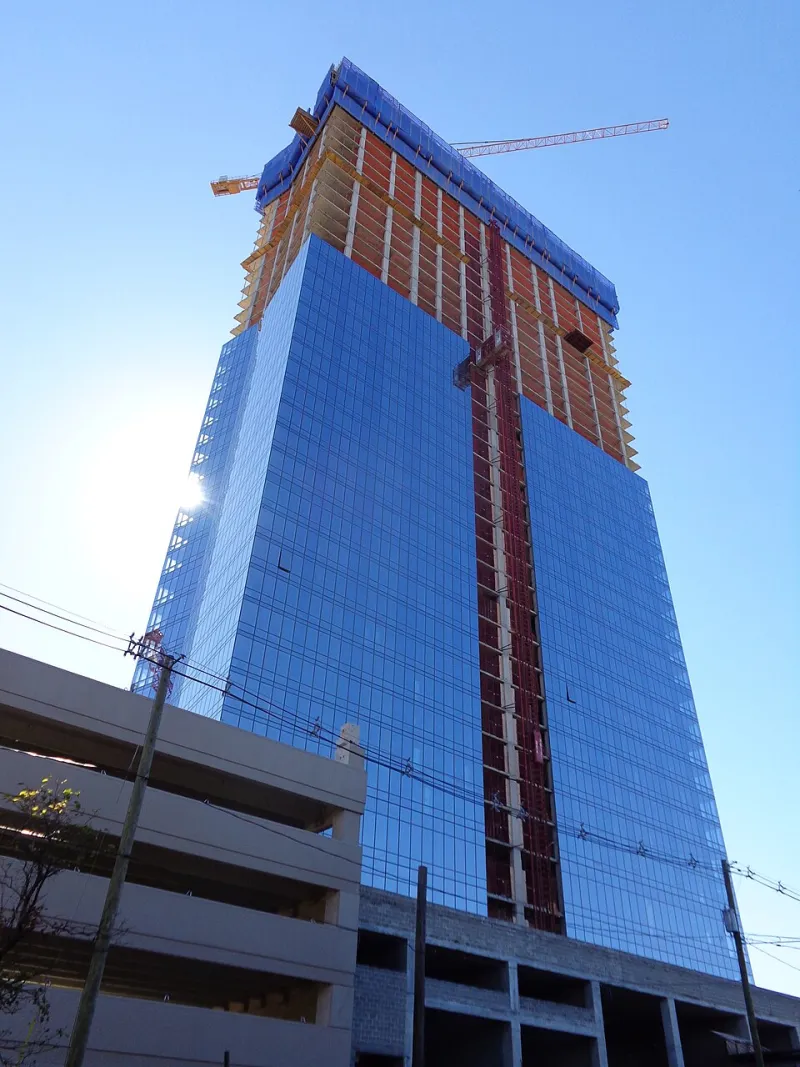
Stand on the pavement beneath a fifty-storey residential tower in Salford or Nine Elms and you are looking at a machine. Not a metaphorical one — a literal, humming, water-pumping, air-moving machine dressed in curtain walling. And at its centre, running from basement plant room to roof-level cooling deck, is the service core: the least photographed, least discussed and most consequential element of the entire building.
For the architecture enthusiast, the core is usually a footnote. For the people who run these buildings, it is everything.
The Vertical Artery
A modern residential core is a dense stack of functions: lift shafts, fire stairs, electrical risers, water mains, soil stacks, ventilation ducts and telecom pathways, all threaded through a concrete spine that also happens to brace the building against wind. Decisions about its width, position and compartmentalisation are locked in at RIBA Stage 3 or earlier — years before a single resident collects a key.
"By the time we take handover, the core has already decided how the building will behave for the next sixty years," explains a facilities manager responsible for several of Manchester's recent high-rises. "If the designers undersized a riser, or put the plant on the wrong level, we inherit that. There's no returning it."
The consequences are practical and immediate. Water pressure on the upper floors depends on booster sets and, in taller buildings, break tanks at intermediate plant levels. Get the hydraulics wrong and the fiftieth floor suffers at breakfast time, when half the stack is showering simultaneously.
The Economics of Altitude
Running costs in a tower do not scale linearly — they climb. Pumping potable water to the upper teens of a building consumes measurable energy every single day, and the taller the building, the more stages of boosting and the more equipment between the mains and the tap.
Maintenance access is the other quiet cost. A riser failure on floor four is an inconvenience; the same failure on floor thirty-eight means engineers hauling tools through resident corridors, or waiting for a specialist lift platform. Several managers we spoke to described riser door audits as their single most useful diagnostic exercise: doors that are difficult to open, or that open onto cluttered, poorly lit shafts, are reliable predictors of deferred maintenance.
"You can read a building's future through its riser cupboards," one engineer told us. "Clean, labelled, ventilated shafts — that's a building that will age well. Chaos in there, and you're looking at a service charge problem in five years."
Where the Promises Are Kept — or Not
The gap between marketing render and operational reality often shows up in the plant schedule. Developments that promised district heating connections, greywater recycling or rooftop photovoltaics sometimes deliver a simplified version, quietly value-engineered during construction. Residents rarely notice at handover; they notice at service charge review.
This matters more as the UK's tower stock ages into its first major refit cycle. Buildings completed in the early 2000s are now facing lift modernisations, riser replacements and heating system overhauls simultaneously — the high-rise equivalent of a listed building's reroofing crisis, but with far more stakeholders stacked on top of one another.
Designing for the Second Life
The encouraging news is that the industry is learning. Newer specifications increasingly call for larger riser zones, standardised plant layouts and — crucially — space allowances for future equipment swaps, on the principle that today's air source heat pump array is tomorrow's obsolete plant.
For the floor-by-floor watcher, the lesson is simple. When assessing a new tower proposal, look past the crown and the cladding palette. Ask where the plant sits, how wide the risers are, and whether the core can accommodate a second generation of technology. Britain's towers will be judged not by how they look on completion day, but by how gracefully their hidden machinery ages — and that story is written long before the crane arrives.