Priced by the Panorama: Unpacking the True Cost of Life Above Floor Thirty
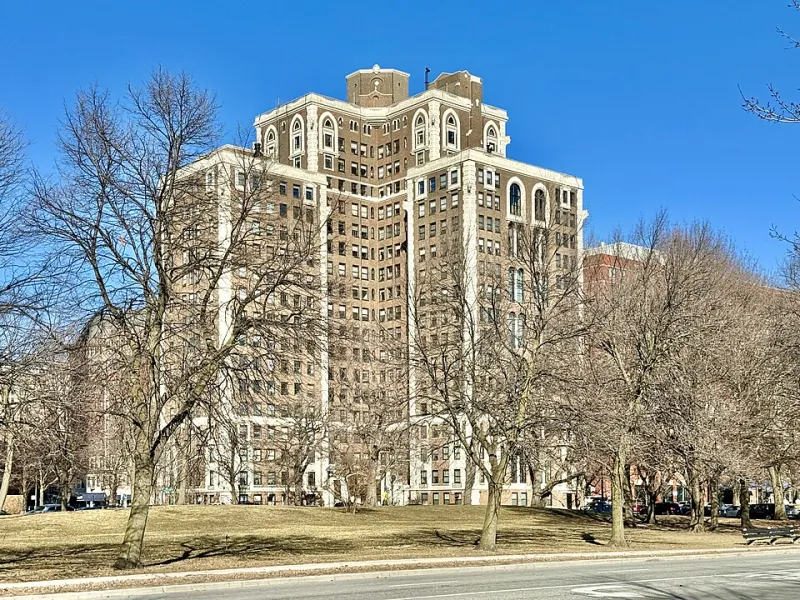
Photo: Warren LeMay from Chicago, IL, United States, CC BY-SA 4.0, via Wikimedia Commons
Every tower sale above the thirtieth floor carries a number that seems, at first glance, to defy explanation. Two otherwise identical apartments in the same block — same footprint, same specification, same boiler — can sit £1.5 million apart on a price list. The difference is altitude, and the industry has an entire vocabulary for monetising it.
But how much of the penthouse premium is real, durable value, and how much is marketing dressed up as scarcity? To find out, Skyscraper News spoke to buying agents and chartered valuers who spend their working lives interrogating these figures, and the answers are more granular than the brochures suggest.
The View Is the Product, and Not All Views Are Equal
The single largest driver of top-floor pricing is not the apartment at all. It is what the apartment can see, and for how long.
"We describe it as a protected view corridor," one London buyers' agent explains. "A penthouse facing a park, a river bend or a listed skyline commands a premium not because of the view today, but because of the planning designations that stop anything being built in front of it." An unobstructed sightline towards St Paul's, across the Pennines, or down the Mersey is effectively a property right — and it is priced like one.
Valuers typically attribute 40 to 60 per cent of the gap between a mid-floor unit and a crown-floor duplex to the view alone. Yet the same agents caution that views are the component most often misjudged. A west-facing panorama sells brilliantly at 6pm in June and considerably less well to a buyer who works from home all winter. Orientation, not merely height, decides whether a view premium holds.
Square Footage You Can Stand On
The second leg of the premium is terracing — and here the arithmetic gets unforgiving. Penthouse terraces are frequently sold as generous outdoor rooms, but external space in UK towers is typically valued at only 25 to 50 per cent of the internal rate per square foot, reflecting seasonal use and exposure.
"A 90-square-metre terrace is not a 90-square-metre apartment," one valuer puts it bluntly. "Buyers who treat it as such are the ones who end up disappointed." Wind studies — a subject this publication has covered before — also matter at crown level: a terrace rendered unusable by downdraughts is an expensive liability in a price negotiation.
The Private Lift and Other Fixed Costs
Private lift lobbies, direct-access parking and dedicated concierge provision are the least glamorous elements of the premium and, tellingly, the most defensible. These are hard costs with clear comparables: a private core adds genuine security and convenience, and resale evidence consistently supports a 10 to 15 per cent uplift where it exists.
Service charges are the flip side. Crown-floor units in several of Britain's newer residential towers carry annual charges approaching £15,000 to £20,000, driven by façade access, lift maintenance and amenity upkeep. Sophisticated buyers now model these costs over a decade before committing, and valuers increasingly adjust for them.
The Status Premium: Real, but Fragile
Then there is the unquantifiable element — the name on the deed, the floor number in conversation. Agents concede it exists, worth perhaps 5 to 10 per cent in prime markets, but describe it as the most volatile component. In a soft market it evaporates first; the view corridor and the private lift remain.
The lesson from the data is consistent across London, Manchester and Birmingham: buyers above floor thirty should spend hardest on what cannot be rebuilt — protected sightlines, orientation, structural exclusivity — and discount heavily the developer theatre. The skyline sells the flat. The floor plan decides whether it was worth it.